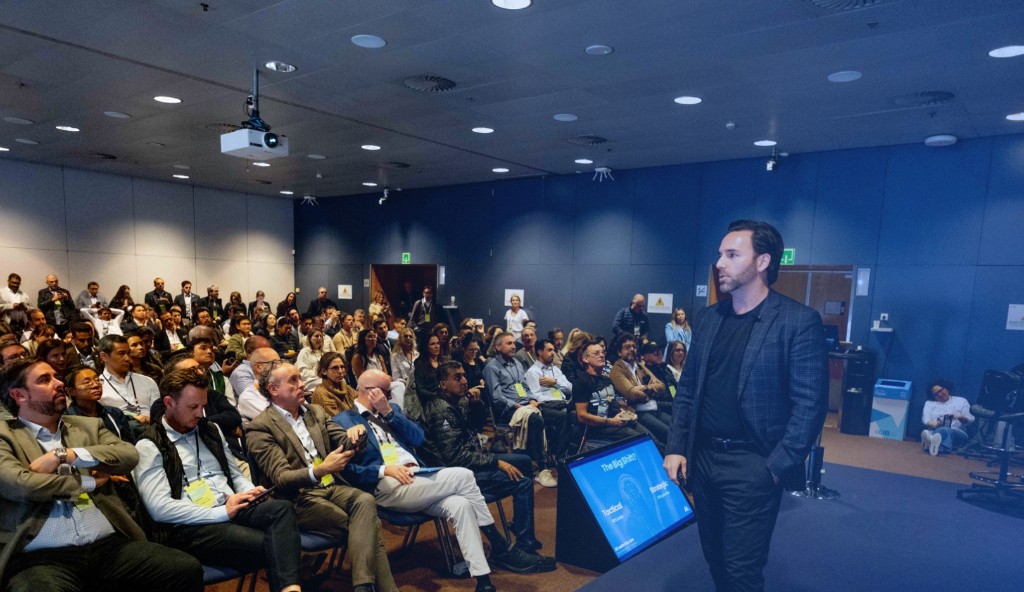
Get Your Leadership Team Aligned on the Challenge That Decides Your Year. In a Single Session.
A major management consulting firm wanted thirty days and another deck. At Air Canada we did the same work in two hours, in the room, with higher quality and trust. Your team leaves aligned, with priorities clear, decisions made, and every action owned.
We Have Done This Work With Leaders At
What the First Conversation Covers
Which challenge belongs in the room.
Most teams arrive with three or four. We work out which one is holding the others up, because that is the one worth putting a session against.
Who needs to be at the table.
The people who can decide, not the people who can report. This is the single biggest factor in what the session produces.
What your team would walk out with.
We define the outcome before anyone commits, so the session gets measured against something you set rather than something we assumed.
What the session would actually look like.
How the room runs, what your leadership team is asked to do inside it, and where the work goes once everyone leaves.
Why This Exists
The Most Expensive Thing in Your Company Is a Leadership Team That Is Not Aligned
Not the software, and not the headcount. It is the months spent getting to a decision, and the ambitious goals that quietly slip because the room never genuinely agreed. We see the same three gaps in nearly every company we walk into.
-
The leadership gap
Ask a leadership team who has mandated AI and every hand in the room goes up. Ask who uses it every day to elevate how they think and how they lead, and the hands come down. That is not a failure of effort or of intent. Almost nobody has been shown what this looks like at the altitude a chief executive actually operates at, and you cannot lead your people somewhere you have not been yourself.
-
The alignment gap
Getting a leadership team genuinely aligned takes months, and it is one of the most expensive things a company does without ever putting a number against it. It is also perishable. The plan changes, the market moves, and the team that agreed in March is pulling in four directions by June. Most companies have no way of getting that alignment back other than spending the same months again.
-
The execution gap
Alignment on its own does not turn into action. Priorities get agreed and then compete with everything already in flight, ownership stays comfortably vague, and the work drifts back toward whatever it was doing before. Your company was built to move at the speed it was designed for. Until it can align, decide and execute at the speed the market now moves at, you will never fully capture the value of the technology you are already paying for.
Results
What an Aligned Leadership Team Actually Produces
Four companies, four different problems. In every one of them the constraint was the same thing, and so was the fix.
How the Session Actually Works
The AI Interviews Everyone at Once, Anonymously, and Then the Room Sees the Truth
A normal offsite runs on sticky notes and Sharpies, with the loudest people in the room dominating the conversation. This runs on AI Thought Partner™, the platform we built for exactly this.
-
It interviews your whole leadership team at once, and it is anonymous
Nobody waits their turn. Every leader is interviewed individually and anonymously, at the same time, and taken into what they actually think. Where they agree. Where they do not. What people are thinking but not saying.
-
It is anonymous, so people say what they would never say out loud
In most rooms the sharpest thinking stays quiet. Saying it costs political capital, or the person holding it was never senior enough to be asked. Anonymity removes that cost, and people tell you far more than they would ever say across a boardroom table.
Your team is not failing to tell you what they think because they are dishonest. It is because saying it costs them something.
-
The room sees where it agrees, where it does not, and what was unsaid
The platform reads every response at once and puts it on the screen, in front of everyone. Real alignment and false alignment stop looking the same. Most teams have never had that moment.
-
Then it co-facilitates the conversation that matters
It poses the question the room has been circling. It listens to the debate as it happens and keeps pulling your team toward a decision instead of a discussion. People nodding is not alignment. This is.
What You Leave With
You Walk Out With the Decisions Already Made
Four things, in your hands, before anyone leaves the room. Your team built all of them.
They leave with the priorities agreed
The short list of what matters. The longer list of what your team is going to stop doing. Both are settled in the room, so nobody relitigates them next quarter.
They leave with the decisions made
The calls that have been open for months get made in front of everyone. The disagreement surfaces and gets dealt with, rather than walking out of the room inside people's heads.
They leave with clear ownership
One named person for each priority. Not a committee. Not a workstream. This is where most planning quietly falls apart, so it happens before anyone leaves.
They leave with the actions sequenced
What happens next, in an order your leadership team has already agreed on. For most teams that takes the shape of a ninety-day plan. Where it does not, it is because the initiative called for something different, and we build to the initiative rather than to a template. Your team also leaves knowing how to run this again themselves.
Who You Work With
The People in the Room Have Carried the Accountability Themselves
Nobody who walks into your session is an analyst. Our team is made up of operators who have held real accountability at the altitude you are working at. Former C-suite executives, board advisors, and leaders who have taken large organisations through exactly the kind of change you are trying to get your own team aligned on.
The practice is built on the work of Geoff Woods, author of the number one international bestseller The AI-Driven Leader and host of the podcast of the same name. As Chief Growth Officer at Jindal Steel and Power he was part of the leadership team that grew the company from roughly 750 million to 12 billion in market value in about four years, by aligning strategy and execution. Before AI, he co-founded the company behind The ONE Thing, coaching leaders at companies from 10 million to 60 billion in revenue.
Between us we have advised hundreds of chief executives and C-suite teams on leading through this. Who leads your session depends on your industry and on the challenge you decide to put in the room, and you will know exactly who that is before you commit to anything.
Geoff Woods Author · Founder · Enterprise Advisor
The Honest Comparison
A Consultant Does It For You. We Do It With You.
Consulting firms do serious work, and sometimes a report is exactly what you need. This is built for the times it is not.
How a consulting firm works
-
Their team interviews your people over several weeks, sometimes months
-
The thinking leaves the building with them
-
You get a deck, and a plan your team was never in the room for and cannot execute without them
-
Adoption becomes your problem, because nobody defends a plan they were handed
-
When they leave, the capability leaves too
How this works
-
Your leadership team does the work, in the room, in hours
-
The thinking comes out of your people, not an outside consultant
-
You leave that same session with the decisions already made
-
Your team owns the plan, because your team built it
-
When we leave, the way of working can stay, because your team keeps the platform and knows how to run it
A consultant builds dependency. We build internal capability. That is the whole difference, and everything else follows from it.
Fit
Who This Partnership Is Built For
This is a fit for some companies and the wrong call for others. Here is how you know which one you are.
It is for you if
-
You are the CEO or a C-suite leader, and you can put the people who decide in one room
-
There is a strategic initiative on the table that genuinely matters to the company. A strategy shift, an integration, a turnaround, a restructuring
-
The cost of getting it wrong is not a cost you can comfortably absorb
-
Your team is capable and busy. The constraint is alignment, not talent
-
The decision has been circling for months and you want it made
-
You want the capability to stay in your company after we are gone
This is probably not the moment if
-
The challenge on the table is not one of the genuinely big ones. This work is built for the decisions that move the company
-
The organisation is not ready to change how it works. Alignment that nothing follows is an expensive afternoon
-
This will not be led from the top. When the chief executive delegates it, the room knows, and the room behaves accordingly
-
The leaders who decide cannot be in one room together
-
What you need is someone to build AI tools for you. That is implementation work, and we would point you somewhere better suited to it
-
You are one leader looking to sharpen your own thinking. The Accelerator or a keynote is the better starting point
Where This Leads
This Starts as One Session and Becomes How the Company Operates
You are booking the first step. This is the path the work usually takes from there, and you choose each stage only once you have seen the one before it.
Step 1
A conversation
We work out which challenge belongs in the room, who needs to be at the table, and what your team would want to walk out with. If we do not think this is the right moment for your company, we will tell you plainly on that call.
Step 2
One session with your leadership team
Your leadership team, one room, and the challenge that actually matters. They leave aligned, with the priorities clear, the decisions made and the ownership settled. It stands entirely on its own, and it is usually also the session where the rest of this becomes obvious to everybody in the room.
Step 3
The alignment carries outward
What almost always follows is a second session, then a third, taking the same work to a wider group so the layer beneath your leadership team is genuinely aligned on the strategy rather than receiving a summary of it. One company ran this from twenty-five global directors, out to four hundred people, and then to four thousand.
Step 4
An ongoing partnership
From there the work becomes structural. We work alongside your team, rebuilding how the leadership team aligns, decides and executes, and embedding that capability inside the company so it keeps running without us. One manufacturer on this page had missed budget four years running. Twelve months in, they were beating it every quarter.
Book a Speed to Alignment Executive Session
Start With One Session on the Problem That Is Holding Growth Back
Pick a time. We will talk through the challenge, who needs to be in the room, and what your team would want to walk out with. If we do not think this is the right moment for your company, we will tell you.
Questions
Before You Book
What is a Speed to Alignment Executive Session?
One session with your leadership team, built around the challenge that decides your year. Every leader is interviewed at once and anonymously through AI Thought Partner™, the room then sees where it genuinely agrees and where it does not, and your team leaves with the priorities agreed, the decisions made, the ownership named and the actions sequenced.
Do we have to commit to a long engagement?
No. You are booking one session, and it stands entirely on its own. Most teams go further because they want to rather than because they signed for it: the same work rolled out to the layer beneath the leadership team, and for some an ongoing partnership. You choose each stage only once you have seen the one before it.
Who needs to be in the room?
The people who can decide, not the people who can report. That is the single biggest factor in what the session produces. We work out the exact list with you on the first call, alongside which challenge belongs in the room and what your team should walk out with.
What does it cost?
It depends on the challenge, who is in the room and how far the work runs afterwards, so we quote it after the first conversation rather than before it. That conversation costs nothing, and if we do not think this is the right moment for your company we will tell you plainly on the call.
Start Your Journey
Your Team Does Not Need Another Plan. It Needs to Agree.
One session with your leadership team, on the challenge that decides the year. They leave aligned, with the priorities clear, the decisions made and every action owned.